IUPAC Name
Methyl L-α-aspartyl-L-phenylalaninate
Cas Number
22839-47-0
HS Code
2924.29.10
Formula
C14H18N2O5
Industry
Food Additives
Appearance
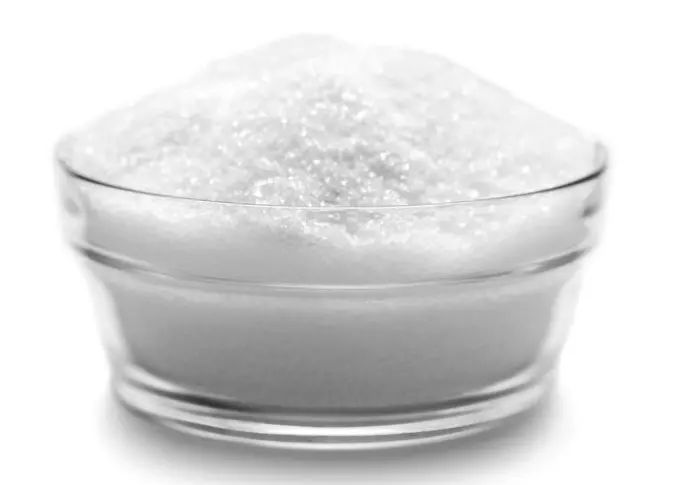
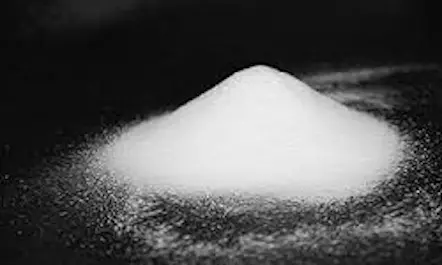
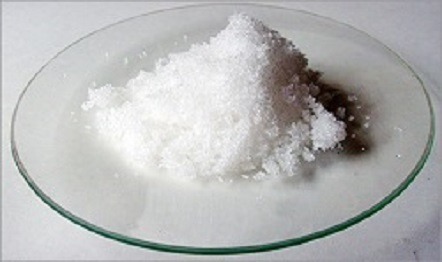
White Crystalline Powder
Common Names
Aspartame, E951
Packaging
25 KG Plastic Bags
Aspartame is synthesized by chemically coupling aspartic acid and phenylalanine methyl ester, used as a high-intensity non-caloric sweetener (INS 951) that provides clean sucrose-like sweetness without bitter aftertaste or gastrointestinal effects, ideal for sugar-reduced and diabetic formulations. In the food industry, it delivers sugar-like temporal profile and synergizes with bulking agents like maltodextrin for optimal mouthfeel in beverages, confections, and tabletop applications.
Beverages: Primary sweetener in diet sodas, zero-calorie energy drinks, iced teas, flavored waters, and powdered drink mixes creating full sugar sweetness at 0.01-0.02% usage; stable in neutral pH carbonated systems; masks acidity without metallic notes.
Confectionery: Sweetens sugar-free gums, hard candies, chocolates, and mints providing rapid sweetness onset and prolonged flavor release; synergizes with acesulfame-K for heat stability during boiling; prevents crystallization in syrup centers.
Dairy products: Flavors low-fat yogurts, milk puddings, frozen desserts, and drinkable yogurts maintaining creaminess without lactose contribution; post-dissolution stability prevents flavor drift during refrigerated storage.
Bakery products: Provides sweetness in no-bake cheesecakes, reduced-sugar cookies, and cake frostings added post-baking to preserve phenylalanine ester; bulking combinations prevent collapse during mixing; enhances fruit flavors in fillings.
Snack foods and cereals: Sweetens granola bars, breakfast cereals, nutrition bars, and extruded snacks delivering clean sweetness synergy with high-intensity blends; coating stability prevents migration during packaging.
In cosmetics, sweetens oral care rinses and toothpastes; in animal feed, flavors palatability enhancers for pet foods; in tobacco products, sweetens chewing gums and nicotine lozenges; in agriculture, masks bitterness in pesticide baits.

).webp)
---china.webp)